
English
Views: 0 Author: Site Editor Publish Time: 2026-01-09 Origin: Site

You can make film better and steadier by changing the blow-up ratio in blown film machines. Careful changes help you stop problems and keep production smooth. Checking often helps you find problems early and keep results the same. > Trust Hengfeng’s strong, automatic solutions to make your blown film work easier and faster.
Change the blow-up ratio to make the film better. A good ratio makes the film strong, clear, and smooth.
Watch the blow-up ratio often to keep things steady. A steady ratio stops the bubble from shaking and saves material.
Pick the best resin for your film. Each resin needs a certain blow-up ratio to work well.
Write down every change you make. Keeping notes helps you know what makes your film better.
Use Hengfeng's advanced machines for exact control. Their machines help you get the same results every time you make blown film.
You need to pay close attention to the blow-up ratio when making blown film. This ratio controls how much you expand the plastic bubble compared to the size of the die. When you set the right blow-up ratio, you get film that is strong, clear, and even. If you want your film to have strong seals and not split near the edges, you must keep the ratio balanced.
The blow-up ratio affects the mechanical properties of the film. You can make the film stronger and more flexible by adjusting this ratio.
A higher blow-up ratio gives the film better tensile strength and clarity. This is important if you need the film to be tough and see-through.
You can control the thickness and uniformity of the film by watching the blow-up ratio. This helps you avoid thin spots or weak areas.
Most packaging films use a blow-up ratio between 3:1 and 5:1. This range gives you the best mix of strength and clarity for many uses. When you understand and control this ratio, you make sure your blown film meets high standards every time.
You also need to think about how the blow-up ratio affects your production process. A steady ratio helps you keep the bubble stable during blowing. If the ratio changes too much, you might see the bubble wobble or collapse. This can lead to wasted material and lost time.
Controlling the blow-up ratio lets you produce film with the same width and thickness in every batch.
You can avoid problems like wrinkles, uneven thickness, or weak spots by keeping the ratio steady.
Operators who watch the blow-up ratio closely can spot issues early and fix them before they cause big problems.
Hengfeng focuses on quality and innovation in blown film machinery. You can trust Hengfeng’s advanced systems to help you control the blow-up ratio with precision. This means you get reliable, high-quality film and smooth production every day.
You need to start with the right material when you want to control the blow-up ratio. Different resins melt and stretch in different ways. For example, low-density polyethylene (LDPE) makes a soft film bubble that stretches easily. High-density polyethylene (HDPE) gives you a stronger film bubble but needs more careful control. You should always check the melt flow rate of your resin. A resin with a higher melt flow rate will stretch more, which can change the diameter of the film bubble. If you switch materials, you must make new adjustments to keep the film bubble stable.
The setup of your film blowing machine plays a big role in the final film bubble. You must check the die diameter and make sure it matches your target film width. A larger die diameter lets you make a bigger film bubble. The air ring and cooling system also help keep the film bubble shape steady. Hengfeng offers machines with advanced air control and custom die options. These features help you set the right diameter and keep the film bubble even. You can ask for special setups if you need to make unique films.
You must watch several process parameters to keep the blow-up ratio steady. The table below shows the most important ones:
| Parameter | Description |
|---|---|
| Draw Down Ratio | Controls film thickness. A higher value makes the film thinner. |
| Blow-Up Ratio | Balances with draw down ratio for good film properties in all directions. |
| Stability | Too high a draw down ratio can break the film bubble if the resin is too weak. |
You also need to control other settings to keep the film bubble stable. The next table explains how each one affects the process:
| Parameter | Effect on Blow-Up Ratio Stability |
|---|---|
| Internal Air Pressure | Changes the size of the film bubble and the blow-up ratio. |
| Take-Up Speed | Changes film thickness and keeps the film bubble steady. |
| Melt Temperature | Higher heat lets the film bubble stretch more. |
| Cooling | Keeps the film bubble shape and helps control the diameter. |
| Extruder Output | Must match take-up speed for the right film thickness. |
You should always make small adjustments and watch the film bubble closely. Hengfeng’s blown film machine gives you precise controls and easy ways to change settings. This helps you get the best results every time.
Image Source: pexels
Changing the blow-up ratio needs careful steps. You must think about safety and accuracy. Watch the process closely to get good results. This helps keep the film bubble steady.
You need to measure the film bubble and the die. First, stop the machine and make sure it is safe. Always wear gloves, goggles, and a dust mask. Release any pressure in the tube so you do not get burned.
Pick the right tool for measuring. Calipers can measure by hand, but mistakes can happen. Laser devices work better and give quick, correct numbers. These tools help you avoid errors.
| Measurement Method | Description | Accuracy Level |
|---|---|---|
| Manual Measurement | Use calipers to measure the bubble diameter at its widest point. | Moderate, prone to error |
| Laser Measurement Devices | Provide continuous and precise measurements, reducing human error. | High, real-time data |
Measure the die diameter and the bubble diameter. Divide the bubble diameter by the die diameter. This gives you the blow-up ratio. This step is called bur adjustment. Check these numbers often to keep the film thickness even.
You change the bubble size by adjusting airflow and pressure. Add more air to make the bubble bigger, but do not use too much. Too much air can make the bubble shaky.
The air pressure inside the bubble sets the blow-up ratio. This also controls how the film stretches around. More air can cool the bubble faster, but too much can bend the bubble and make it unstable.
Watch the air temperature and how much air you use. These things help you set the chill line on the bubble. Good chilling keeps the bubble shape steady and helps stability.
Hengfeng’s machines let you change airflow and pressure very exactly. You can make small changes and see what happens fast. This helps you keep the blown film process steady.
Set the extrusion rate and die temperature for your material. Change the extruder screw speed to control resin flow. Faster speed makes thicker film. Slower speed makes thinner film.
Find the best die temperature for your resin. If it is too hot, the resin can get ruined. If it is too cold, the bubble is hard to stretch. Check the temperature sensors every month to make sure they work right.
Follow these steps for safe changes:
Stop the machine before you change anything.
Release any pressure in the system.
Wear gloves and goggles for safety.
Change the extrusion speed and die temperature slowly.
Watch the bubble for changes in size or shape.
Hengfeng’s machines have controls for extrusion rate and temperature. You can set exact numbers and keep the process steady.
Watch the width and thickness of the film bubble while making film. Use laser devices or calipers to check the diameter often. Write down each measurement and compare it to your goal.
If you see changes in width or thickness, make small changes. Adjust the airflow, pressure, or extrusion rate. This helps keep the film thickness even and stops problems.
Tip: Always write down your changes and measurements. This helps you see patterns and make your process better over time.
Hengfeng’s machines help you watch and record all important data. You can use these features to keep your film good and your process smooth.
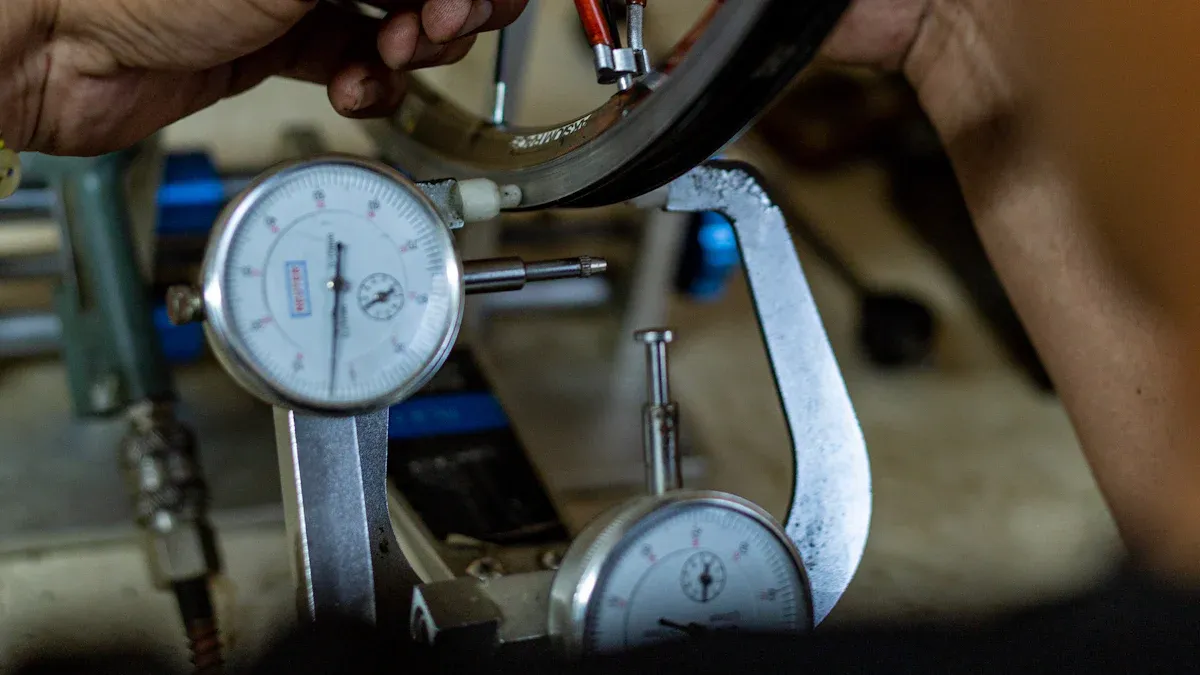
Image Source: unsplash
You may see the bubble move or shake during production. This problem can cause changes in the blow-up ratio. You should look for the main causes:
Melt temperature changes can make the bubble unstable. Check your temperature controls often.
Resin properties can affect how the bubble forms. Use the same resin type for each batch.
Equipment problems can also lead to instability. Make sure all parts of your blown film machine work well.
Tip: Watch the bubble alignment. If the bubble leans or wobbles, adjust the air ring and check the cooling system.
Uneven film thickness can happen if you do not set the right blow-up ratio. You can fix this by following these steps:
Test different blow-up ratios and draw-out ratios. Find the best settings for your film and resin.
Change your process settings quickly if you switch materials or notice equipment changes.
You should keep records of each change. This helps you see what works best for your blown film.
Wrinkles and gauge variation can lower film quality. You can stop these problems by:
Adjusting the blow-up ratio to avoid too much stretching. Try to keep the ratio between 2.5 and 3.5.
Checking the die gap often. A uniform die gap gives you even melt flow and bubble thickness.
Drying your raw materials well. Moisture can cause uneven surfaces and wrinkles.
Note: Regular checks and small adjustments help you keep your film smooth and strong.
You can use these steps to solve common problems and keep your blown film process stable.
You can improve 3 layer blown film results by tracking every change you make. Write down each adjustment to airflow, temperature, or extrusion speed. This record helps you see what works best for your film quality. When you keep good notes, you can repeat your best settings for every batch.
Tip: Use a simple logbook or digital tool to record your measurements and changes. This habit helps you spot trends and fix problems faster.
Hengfeng gives you machines with built-in data recording features. You can check your process history and share it with your team. This makes training new operators easier and keeps your film production steady.
You need strong quality control to keep your 3 layer blown film at a high standard. Hengfeng supports you with training and service so you can use your machines well. You can follow these proven methods to check your film quality:
| Quality Control Method | Description |
|---|---|
| Statistical Process Control | Watch your process in real time to keep conditions steady. |
| Failure Mode and Effects Analysis | Find possible problems before they affect your film. |
| Root Cause Analysis | Study any issues to stop them from happening again. |
| Automated Inspections | Use scanners and cameras to check every part of your 3 layer blown film. |
You can use these methods with Hengfeng’s automated systems. This helps you catch mistakes early and keep your 3 layer blown film smooth and strong.
Note: Regular checks and good records help you improve your process over time. You can always find ways to make your 3 layer blown film better.
Hengfeng’s team offers support and training. You can ask for help any time to solve problems or learn new skills. This service helps you keep your blown film process running well and your film quality high.
You can make good blown film by doing a few things. First, pick the right resin for your film. Check what blow-up ratio works best for your material:
| Polymer Material | Typical BUR Range | Key Characteristics Influenced by BUR |
|---|---|---|
| LDPE | 2.0:1 – 4.0:1 | Good balance of properties, flexible |
| LLDPE | 1.8:1 – 3.0:1 | Puncture resistance, dart impact |
| HDPE | 3.0:1 – 5.0:1+ | Stiffness, barrier, tensile strength |
| PP | 3.0:1 – 6.0:1 | Clarity, stiffness |
| Biodegradable PLA | 2.0:1 – 3.5:1 | Brittleness, orientation balance |
Try these steps to get the best film:
Look at supplier data to choose your first BUR.
Change the BUR a little and watch the bubble.
Check how thick and strong the film is.
Write down every change you make.
If you keep checking and writing down your results, your film will stay strong and you will waste less. Hengfeng’s smart machines help you do this, so you can make good film every time.
You measure the blow-up ratio by dividing the bubble diameter by the die diameter. This number helps you control film strength and thickness. You need to check it often for good results.
You change the blow-up ratio to make the film stronger or more flexible. A higher ratio gives you better clarity and strength. You get even film when you keep the ratio steady.
You need the right blow-up ratio to make film that protects food and products. The packaging industry uses this film for bags, wraps, and covers. Good control means safe and strong packaging.
You check the air pressure and cooling system. You adjust the airflow or temperature. You also make sure the resin is dry and the machine parts work well.
You should not use the same ratio for every resin. Each resin stretches in a different way. You need to adjust the blow-up ratio for each material to get the best film.


