
English
Views: 0 Author: Site Editor Publish Time: 2025-12-26 Origin: Site

Plastic cup thermoforming machines often use materials like polypropylene, polyethylene terephthalate, high impact polystyrene, polystyrene, polylactic acid, polyvinyl chloride, and acrylic. The table below shows how much of each plastic is used in cups around the world:
| Plastic Type | Market Share (%) | Year |
|---|---|---|
| Polypropylene (PP) | 20.05 | 2021 |
| Polyvinyl Chloride (PVC) | 8.07 | 2021 |
| Polystyrene (PS) | 7.44 | 2021 |
| High Impact Polystyrene (HIPS) | 2.37 | 2021 |
| Polymethyl Methacrylate (PMMA) | 3.54 | 2021 |

The material picked for thermoforming changes how good the cup is, how much it costs, and how eco-friendly it is. Factories try to save money and make strong cups by using recycled plastic or making cups thinner. Good planning and the right machine settings help make less waste and better food packaging. Hengfeng has advanced PP PET thermoforming machines for many types of cups. People who run these machines should think about what they need before picking a material.
Polypropylene (PP) is used a lot for making cups. It is strong and can handle heat well.
Picking the right plastic changes how good the cup is. It also affects safety and how the cup looks. You should think about heat tolerance and if it can be recycled.
Hengfeng machines can use many types of plastics. They can also use eco-friendly plastics like PLA. This helps make different kinds of cups.
Choosing the best material and machine settings helps make less waste. It also makes cup production faster and better.
Some problems in thermoforming are color changes and bad heating. Knowing about these problems can help stop issues when making cups.
Thermoforming is a common way to make cups and food packaging. This method uses heat and pressure to shape plastic sheets. Factories like this process because it makes strong and light products fast. There are several main steps in making cups with thermoforming:
Plastic sheet extrusion: Workers change plastic resins like PP or PET into flat sheets.
Heating: Machines warm the sheets until they bend easily.
Forming: The warm sheets are shaped into cup molds by vacuum, pressure, or force.
Cooling: The cups are cooled so they keep their shape.
Trimming: Machines cut off extra plastic for smooth edges.
Stacking and packaging: Finished cups are stacked and packed for shipping.
This process lets factories make lots of cups that look the same.
Picking the right material is very important in plastic thermoforming. Each material has special features that change how the cup turns out. Some plastics can handle heat better. Others are more bendy or clear. The right material makes cups stronger, better looking, and safer for food.
Hengfeng’s machines work with many types of thermoforming materials like PE, PP, PET, and PLA. This helps companies switch materials easily and meet different needs. Hengfeng’s equipment fits with other machines, making work faster and more exact.
Factories need to think about cost, strength, and how the material acts when heated and shaped. Bad choices can cause problems like color changes, burning, wrinkles, or misshaped cups. Some common problems in thermoforming are:
Discoloration
Scorching
Wrinkling
Distortion
White corners
Incomplete formations
The table below lists some usual problems and why they happen:
| Challenge | Description |
|---|---|
| Improper Heating | Uneven heating can cause mistakes in the finished product. |
| Moisture Levels | Too much moisture can make bubbles and blisters in the cups. |
| Vacuuming Efficiency | Weak vacuuming can make cups not form right or lose details. |
| Material Characteristics | Differences in material can change how cups are made and their quality. |
| Wall Distribution | Bad wall distribution can make weak spots in the cups. |
Choosing good thermoforming plastics and using strong machines helps factories avoid these problems and make great cups for food packaging.
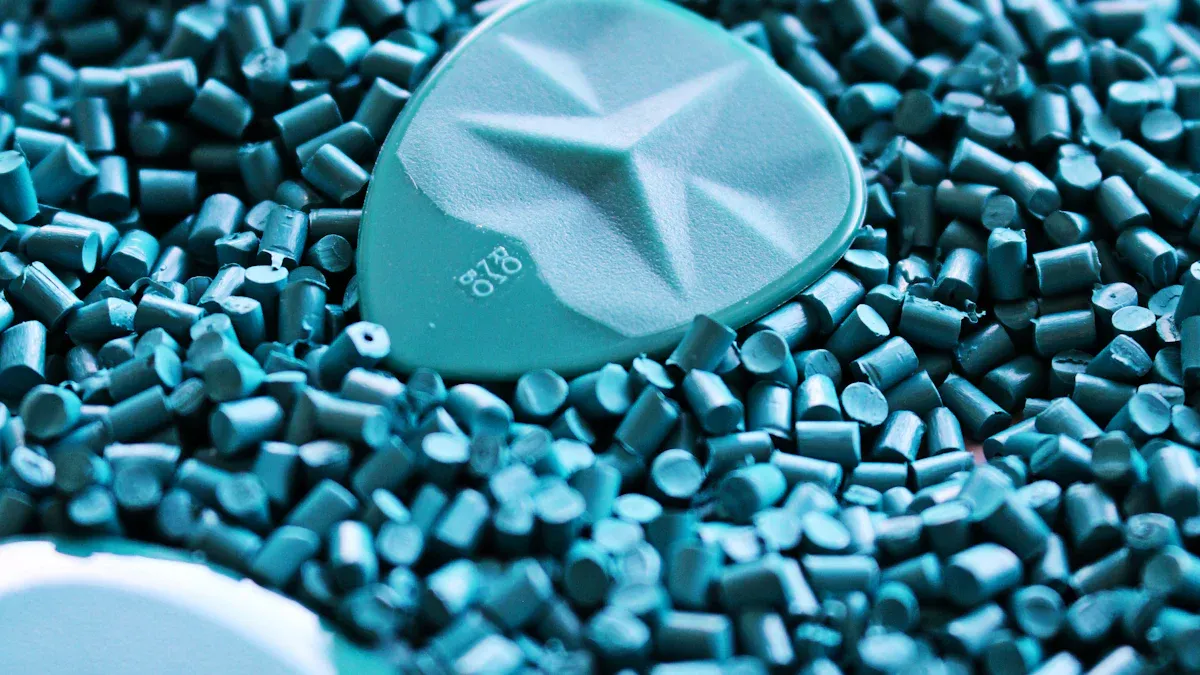
Image Source: unsplash
Polypropylene is a popular plastic for making cups. It is strong, flexible, and can handle heat well. Factories pick polypropylene for hot drink cups because it does not melt easily. It also does not release harmful chemicals when heated. The table below lists important facts about polypropylene for cup making:
| Property | Value |
|---|---|
| Density | 0.895 - 0.92 g/cm³ |
| Young's Modulus | 1300 - 1800 N/mm² |
| Melting Point | 160°C - 167°C |
| Temperature Resistance | -20°C to 120°C |
| Brittleness | Below 0°C |
| Chemical Resistance | Acids, alkalis, chemicals |
Polypropylene does not get damaged by acids or alkalis. This makes it safe for food packaging. It can go in microwaves and dishwashers because it handles heat well. Polypropylene is safe for food and does not leak toxins. Many factories use polypropylene in pp cup thermoforming machine work because it makes strong and safe cups.
Polypropylene is recycled only 3% of the time. This is less than PET and HDPE. But its safety and heat resistance make it a favorite for many uses.
PET is another common plastic for pp pet thermoforming. It is light, strong, and clear. PET cups let people see their drinks, which helps stores show their products. The table below shows why PET is good for making cups:
| Feature | Description |
|---|---|
| Durability | PET is light but tough, does not break easily, and keeps drinks safe. |
| Clarity | PET is very clear, so people can see what is inside. |
| Recyclability | PET can be recycled many times and stays good, which helps the planet. |
| Thermoforming | PET sheets are heated until soft, then shaped into cups quickly. |
PET cups are easy to recycle, with a 15% recycling rate. This helps the environment and cuts down on trash. PET is strong for its weight, so it is great for packaging. PET uses less energy to make than other plastics. PET cups keep their shape and look nice for cold drinks.
Factories use pp cup thermoforming machine technology to make cups for many things. PP and PET are the main plastics for food and drink packaging. The table below shows how they are used and their features:
| Material | Common Applications | Properties |
|---|---|---|
| PET | Cold drinks (soda, iced tea, juice), cold foods (pudding, fruit, cake, salad) | Clear, tough, single-use, clean |
| PP | Hot drinks (coffee, tea, soup), cold drinks (milkshakes, smoothies) | Handles heat, strong, safe for microwaves |
PET cups are best for cold drinks and foods that need to be seen. PP cups are better for hot drinks and foods because they do not get soft from heat. Hengfeng’s machines work with both pp pet thermoforming and other plastics, so factories can make many types of cups.
Hengfeng’s machines use PP, PET, and biodegradable plastics for thermoforming. This lets factories switch plastics and cup styles fast. The machines have big forming areas, smart technology, and are easy to fix. Automation saves energy and plastic, makes more cups, and cuts waste. Hengfeng’s pp cup thermoforming machine uses servo motors for exact control and makes cups with smooth sides and sharp shapes.
Factories like Hengfeng’s machines because they can use different plastics, like PP and PET, and still make good cups. The machines help companies make safe, strong, and nice-looking cups. Hengfeng’s equipment works fast and gives steady results, making it a top choice for cup making.
Factories use many plastics to make cups. Each plastic has special benefits for different uses. Hengfeng’s machines work with lots of plastics. This helps factories change materials easily.
High impact polystyrene is strong and bends without breaking. It is good for cups that need to be tough. HIPS is easy to shape and color. It does not cost a lot. The table below shows its main features:
| Property | Description |
|---|---|
| Moisture Resistance | It keeps its strength in wet places. |
| Density | It is light but still strong. |
| Melting Point | It melts at low heat, so shaping is easy. |
| Impact Strength | It does not break easily. |
| Processability | It is easy to mold with machines. |
| Chemical Resistance | It does not get ruined by oils or chemicals. |
Hengfeng’s machines make HIPS cups quickly. These cups last long and are good for food.
Polystyrene is a very common plastic for cups. It is cheap and good for making lots of cups fast. PS breaks easier than HIPS and is not as strong. But it is still used for throwaway cups. The table below compares PS and HIPS:
| Material | Performance Characteristics |
|---|---|
| Polystyrene (PS) | Breaks easier, not as strong |
| High Impact Polystyrene (HIPS) | Stronger, does not break easily |
Hengfeng’s machines let factories pick PS or HIPS. They can choose based on price and how tough the cup needs to be.
Polylactic acid is better for the planet than regular plastics. PLA cups break down in special compost places. This means less trash in landfills. Making PLA uses less energy and makes less pollution. PLA is biodegradable and has a small carbon footprint. But PLA needs special composting and is hard to recycle. Hengfeng’s machines can use PLA to help companies be greener.
PVC is another plastic for making cups. Food-safe PVC must follow strict rules. In the US, it must meet FDA 21 CFR 177.2600. In Europe, it must meet EU Regulation 10/2011. Many food factories need NSF approval too. Hengfeng’s machines make sure PVC cups are safe for food.
Acrylic, called PMMA, is clear and does not get damaged by sunlight. It is light and does not shatter. This makes it good for hot drinks and outdoor cups. Hengfeng’s machines can shape PMMA into nice pp cups and other special items.
Hengfeng’s machines work with many plastics. Factories can make cups for food, stores, and special uses. They know their cups will be safe and good quality.
Image Source: unsplash
Factories use different plastics to make cups for food and drinks. Each plastic has special features that change how it works for packaging. Here are some important facts about common plastics in thermoforming:
Polypropylene cups can handle heat up to 180°F. They keep drinks hot and are good for hot drinks.
Polystyrene cups are see-through and cheap. People use them for single-use packaging and throwaway tableware.
High impact polystyrene is strong and bends easily. This helps cups not break.
Polylactic acid cups break down in compost and help the planet. They need special care.
Acrylic cups stay clear and do not get ruined by sunlight. They work well outside.
Polyvinyl chloride cups follow strict safety rules for food.
These plastics help factories make safe, strong, and nice-looking cups for single-use food packaging.
The table below lists the main good and bad points of thermoforming materials for making cups:
| Advantages | Disadvantages |
|---|---|
| Fast production times | Hard to make very complex shapes |
| Factories make lots of cups quickly | Thin plastics can be uneven |
| Can make detailed shapes | Fewer choices because only thermoplastics work |
| Cups are light and save money | Some cup shapes need extra cutting |
| Easy to design custom cups | Not good for very tough jobs |
| Less time and money needed to start |
Factories pick plastic thermoforming because it makes light, cheap, and flexible cups for many uses.
Picking the best thermoforming material depends on many things. Factories should think about:
What kind of food or drink goes in the cup.
If the cup needs to handle heat, be clear, or be strong.
Price, recycling, and keeping people safe.
What people want, like eco-friendly or single-use cups.
Rules for food-safe plastics.
The table below matches plastics to their best uses:
| Material Type | Properties and Applications |
|---|---|
| Polystyrene (PS) | Clear and cheap; used for packaging and throwaway tableware. |
| Polypropylene (PP) | Handles chemicals well; used for packaging and medical items. |
| Polylactic Acid (PLA) | Breaks down in compost; used for green single-use cups. |
| Acrylic (PMMA) | Clear and tough; used for outdoor and special cups. |
| Polyvinyl Chloride (PVC) | Safe for food; used for special packaging. |
Hengfeng helps people pick and use thermoforming materials. Their team helps set up machines, test samples, and make lots of cups. They teach workers, help after sales, and answer questions all day and night. This makes sure every customer gets the best help for their plastic cups.
Factories use different materials to make plastic cups for food and drinks. The table below lists important things to think about when picking a material:
| Factor | Description |
|---|---|
| Material Compatibility | The cup should match what it will hold. |
| Weight Requirements | The cup needs the right size and strength to be safe. |
| Shape and Texture | Some cups need special shapes or smooth surfaces. |
| Environmental Factors | The cup must handle heat or chemicals to work well. |
Good plastics make cups stronger and clearer. Quality materials help cups last longer and work for many things. Hengfeng’s machines shape plastic sheets carefully. This makes production quick and saves money. Their team helps factories pick the best material and set up machines. People can ask Hengfeng for custom help and support.
Polypropylene (PP) is the most popular material. Factories use PP because it is strong, safe for food, and handles heat well. Many hot drink cups use PP.
Yes. Hengfeng machines can shape eco-friendly plastics like PLA. Companies use PLA to make cups that break down in compost. This helps reduce waste.
Factories pick PET for cold drinks because it is clear and tough. PET cups show the drink inside and do not break easily. Stores like PET cups for their look.
Material choice changes how strong, safe, and clear the cup is. Some plastics handle heat better. Others are easier to recycle. Good materials make better cups.
Yes. Hengfeng’s team helps customers pick the best material for their needs. They give advice, test samples, and support machine setup for different plastics.


