
English
Views: 0 Author: Site Editor Publish Time: 2025-12-26 Origin: Site

A plastic cup thermoforming machine makes cups in steps. First, it heats a plastic sheet until it is soft. Next, the machine shapes the sheet into cups with air or vacuum. Cooling makes the cups stay in shape. Trimming cuts off extra plastic for smooth edges. The machine controls temperature and time at each step. The mold design changes how good the cups are. The thermoforming working principle helps every cup meet high standards.
Thermoforming changes flat plastic sheets into cups. It uses heat, molds, and pressure to do this. This process makes the cups strong and good quality.
Automation in thermoforming machines makes work faster. It also helps stop mistakes from happening. It keeps the quality the same and makes less waste.
Keeping the right temperature when heating is very important. It makes sure the plastic gets soft enough to shape. But it does not let the plastic get too weak or bent.
Quality control systems use sensors and cameras to check for problems. They find defects early and help make less waste. This makes sure every cup is made well.
Picking the best materials and mold design is important. It changes how strong and nice the cups look. Good molds help make better cups.
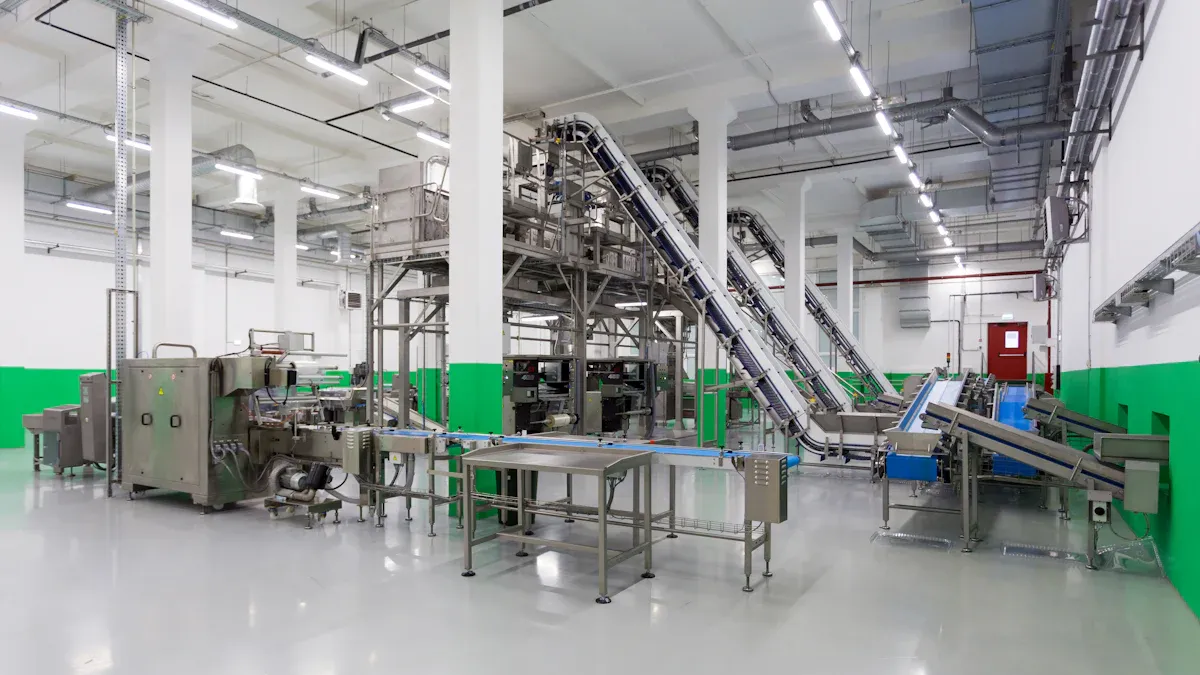
Image Source: unsplash
The thermoforming working principle shows how machines change flat plastic sheets into things like cups. This process uses heat, molds, and pressure to make strong products. The main steps are heating the plastic, shaping it in a mold, cooling, and trimming. Each step needs careful temperature and time control for good results.
Thermoforming is different from other ways of making plastic items. It works faster and makes better products. The table below shows how thermoforming and vacuum forming compare:
| Process Type | Efficiency | Output Quality | Cost |
|---|---|---|---|
| Thermoforming | High | Superior | Higher |
| Vacuum Forming | Moderate | Limited | Lower |
The thermoforming working principle needs exact control. Machines heat plastic sheets to the right temperature. This helps the plastic stretch and fit the mold well. If the temperature is too low, the plastic will not shape right. If it is too high, the plastic can get weak.
Plastic cup thermoforming machines use automation to work quickly and correctly. They follow the thermoforming working principle by heating, shaping, and cooling plastic sheets with little human help. A programmable logic controller (PLC) controls temperature and timing. This system stops weak spots and keeps every cup the same.
The machines use different plastics, like High Impact Polystyrene (HIPS), Acrylonitrile Butadiene Styrene (ABS), Polyvinyl Chloride (PVC), and Acrylic. The material you pick changes the cup’s strength and cost.
Important things that affect the thermoforming working principle are:
The type of plastic material, such as PP, PET, or PS.
How many cups the machine can make.
If you can change cup sizes and shapes.
How much automation there is, like stacking and packaging.
How much energy the machine uses.
Maintenance and support services.
Note: Quality control is very important in the thermoforming working principle. Machines use sensors and smart systems to check each cup for problems. This makes sure every product is good and helps reduce waste.
A plastic thermoforming machine has many important parts. These parts help change flat plastic sheets into cups. Each part works together to make good cups. The main parts are the sheet feeding system, heating unit, and mold design.
The sheet feeding system moves plastic sheets into the machine. It works by itself without much help. The sheets move at a steady speed. This system makes sure each sheet goes into the heating zone evenly. This helps the machine heat the sheets the right way. Operators can change the system for different sheet thicknesses and materials. This lets the machine use many kinds of plastics.
The sheet feeding system:
Moves plastic sheets to the heating zone.
Keeps feeding steady and even.
Changes for sheet thickness and material.
The heating unit is a very important part of the machine. It heats the plastic sheets until they are soft. There are different kinds of heating units:
Resistance heaters use electricity to make heat.
Infrared heaters use light to heat sheets fast and save energy.
Hot air heaters use moving air to heat big areas.
Heating the sheets evenly is very important. It helps the machine stretch the plastic the same way. Good heating stops problems like thin spots, bubbles, or cups that do not fit the mold. Keeping the temperature right helps cups stay the correct size and shape.
The mold shapes the hot plastic into cups. Mold design is a key part of the machine. The mold’s quality changes the cup’s shape, strength, and surface look. Steel molds last a long time and make smooth cups. Aluminum molds cool faster but may wear out sooner.
| Aspect | High-Grade Materials (e.g., Hardened Steel) | Softer Materials (e.g., Aluminum) |
|---|---|---|
| Dimensional Stability | Keeps size well over time | Can change size more easily |
| Surface Finish | Makes cups smooth and easy to use | May have small surface problems |
| Wear Resistance | Lasts longer, good for many cups | Wears out faster |
| Thermal Conductivity | Cools slowly | Cools quickly |
| Tolerance and Repeatability | Stays the same size for each cup | May change, affects quality |
The machine uses molds made from strong steel or aluminum alloy. These materials help the parts last longer and protect from heat and rust. The mold’s design decides how the cup looks and how strong it is. Good mold design helps every cup meet high standards.
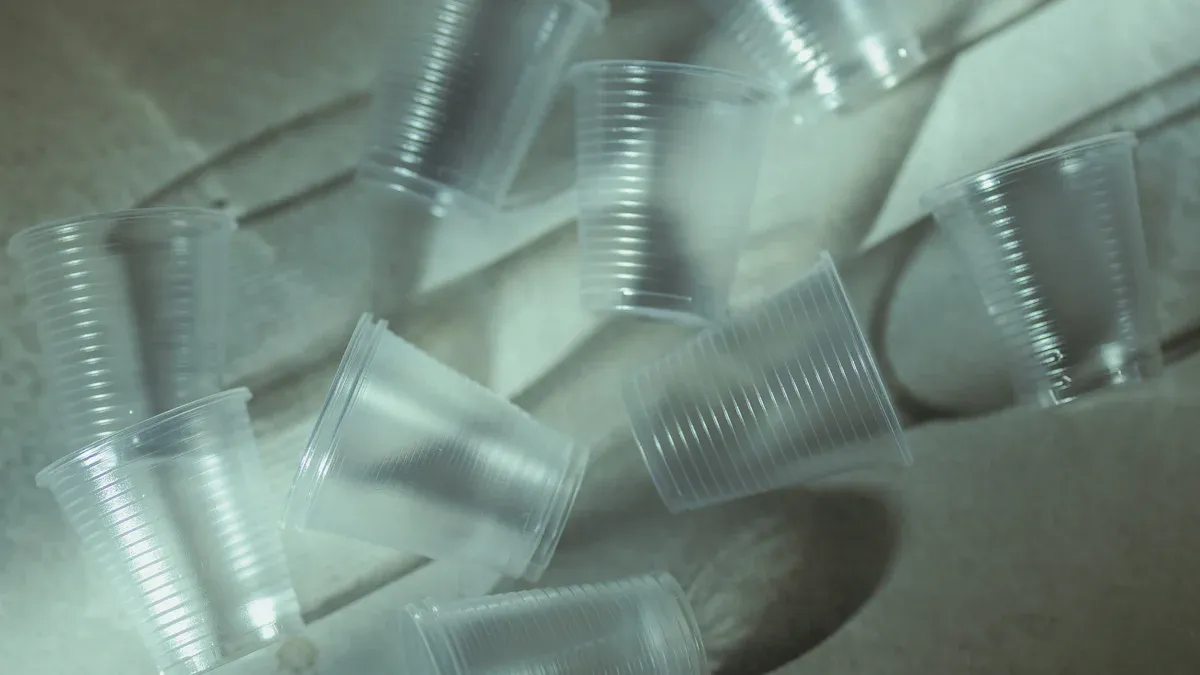
Image Source: pexels
Plastic cup thermoforming machines start by heating a flat plastic sheet. The heating unit uses special technology to get the right heat for each plastic. Operators set the machine to heat polycarbonate sheets between 300°F and 500°F. Pre-dried polycarbonate works best at 350°F to 375°F. A good oven design helps the sheet heat evenly. If the sheet is not hot enough, the process takes longer. Too much heat can hurt the material and make bad cups.
Operators need to check these things during heating:
The sheet must get hot enough.
The heat must spread across the whole sheet.
The heating time must fit the plastic type.
These steps help get the sheet ready for molding and forming. The right heat and time make the sheet soft and bendy. This step is needed for the next part of the thermoforming process.
After heating, the sheet goes to the forming station. Here, the machine uses vacuum thermoforming and pressure thermoforming to shape the cups. The machine puts the soft sheet over a mold. A vacuum pulls the sheet into the mold’s shape. Some machines use air pressure for more detail and strength. Using both vacuum thermoforming and pressure thermoforming makes cups smooth and strong.
The forming and molding process has these steps:
The machine puts the hot sheet over the mold.
Vacuum thermoforming pulls the sheet into the mold’s shape.
Pressure thermoforming adds air for sharper details.
The sheet becomes the final cup shape.
Using both vacuum thermoforming and pressure thermoforming helps every cup look the same. These methods help the production line work fast and make good cups. The molding and forming step is important for making cups the right size and shape.
Tip: Vacuum thermoforming is good for simple cups. Pressure thermoforming is better for cups with more detail or strength.
After the cups are formed, the cooling system starts. Machines use different ways to cool the cups and keep their shape. Air cooling uses room air to cool the cups. Water cooling moves water around the mold to cool faster. High-speed machines use refrigerant cooling for the quickest results. Cooling keeps the cups strong and stops them from changing shape.
Common cooling ways:
Air cooling for small and medium machines.
Water cooling for bigger machines.
Refrigerant cooling for fast production.
After cooling, the trimming system cuts off extra plastic from the cup edges. This step makes every cup look neat and the same. The cutting system removes extra material, so the cups have smooth edges. Trimming also cuts down on waste, which helps the production line work well.
The machine finishes by stacking the cups for packaging. Cooling and trimming make sure every cup is good quality and ready to use.
Plastic cup thermoforming machines use smart inspection systems to keep quality high. These systems check every part of making cups. Before making cups, workers look at the plastic and check the machines. They also make special drawings for checking quality. During cup making, machines use sensors and cameras to find problems fast. After making cups, workers sort, count, and check the finished cups. They use reports to help make better cups next time.
| Stage | Quality Control Measures |
|---|---|
| Pre-Production | Incoming material inspections, First article inspections, Equipment readiness checks, QC Drawings creation |
| In-Process | Routine in-process inspections, Automated optical inspection systems, Documentation of inspections |
| Post-Production | Finished parts sorting, inspection, counting, packing, Statistical performance reports for continuous improvement |
Modern inspection systems use smart sensors and cameras. For example, a 3D sensor can check almost 130 cup shapes at very fast speeds. These sensors find even tiny problems. Thermal cameras help find air bubbles or things that should not be there. Line scan cameras check if every cup lid is sealed as the cup turns. These tools help keep cups good and waste low.
| Feature | Description |
|---|---|
| Inspection System | 3D Smart Sensor Model Gocator 2330 |
| Measurement Rate | Nearly 130 profiles per cup at 600 cups/min |
| Resolution | 6 to 12 microns |
| Defect Detection Capability | Able to detect the smallest defects in thermoformed yogurt cups |
Process optimization helps make more cups and better cups. Operators pick the right machine and set it up for each job. They use good materials and keep them clean. Machines control heat and cooling to work faster. Good mold design and regular care stop problems and machine stops. Automation connects machines and helps avoid mistakes.
| Strategy | Description |
|---|---|
| Machine Selection and Configuration | Choose a suitable machine based on production needs and ensure optimal configuration for specific materials and designs. |
| Material Management | Use high-quality materials and handle them properly to avoid issues like uneven heating and contamination. |
| Temperature Control | Maintain precise heating and implement efficient cooling systems to enhance production rates. |
| Mold Design and Maintenance | Design molds for efficiency and conduct regular maintenance to prevent defects and downtime. |
| Automation and Integration | Incorporate automation in processes and integrate with other equipment to streamline production. |
| Operator Training | Train operators thoroughly to reduce errors and improve efficiency, with ongoing training to keep them updated on best practices. |
| Quality Control | Implement in-process and final inspections to ensure product quality and reduce scrap. |
| Monitoring and Improvement | Use monitoring systems to track performance and adopt a culture of continuous improvement based on feedback. |
Automation is important for making more cups faster. Machines can work with very small mistakes, so less plastic is wasted. Automated systems save time and help make more cups from the same plastic. Waste goes down, which saves money and plastic. Machines work faster, so more cups are made in less time. Double-station machines can make up to 200,000 cups each day. Workers can do special jobs, which also helps make more cups.
Tip: Training workers often and watching the machines closely helps keep production fast and cups good.
Plastic cup thermoforming machines use simple steps to make cups. The table below shows each step:
| Step | Description |
|---|---|
| Heating | The machine warms plastic until it gets soft and easy to shape. |
| Forming | The soft plastic goes into a mold and turns into a cup shape. |
| Trimming | The machine cuts off extra plastic so the edges are smooth. |
| Ejection | The finished cups come out of the mold and get ready for packing. |
Careful control of heat and time helps the plastic shape well. A good mold keeps cups strong and helps make more cups faster. These machines use smart systems to make lots of cups quickly and waste less plastic.
Thermoformed plastics are used in many ways. People use them for food packaging and medical trays. They are also used for covers on electronic devices. Factories make cups, lids, and containers with them. These uses help keep things safe and clean. Many businesses need thermoformed plastics every day.
Automation helps factories make more products quickly. Machines do most of the work with little help. This means fewer mistakes and less wasted time. Automation also keeps the products good. Many companies use automation to make better products for customers.
Companies like thermoforming machines because they work fast. These machines make strong products in many shapes and sizes. Thermoformed plastics are used for packaging, car parts, and toys. Thermoforming machines help companies make many things with good quality.
People use things made by thermoforming every day. Plastic cups, yogurt containers, and food trays are made this way. Medical packaging and car parts also use thermoformed plastics. These products help make life safer and easier.
Some uses of thermoformed plastics use recycled materials. Factories recycle old plastics to make new things. This helps cut down on waste and saves resources. Many companies try to use less plastic in their products. These actions help protect nature and support green ideas.


