
English
Views: 0 Author: Site Editor Publish Time: 2025-10-30 Origin: Site

Pressure thermoforming machines shape hot thermoplastic sheets. They use both vacuum forming and strong air pressure. These machines make detailed and complex parts for many things. The global market for pressure thermoforming machines may reach USD 1.55 billion by 2035. It is expected to grow 4.4% each year from 2025 to 2035.
These machines are used in many industries. They are especially important for food and beverage packaging.
| Industry | Market Share Percentage |
|---|---|
| Food and Beverage | 68% |
Thermoforming lets people change designs and how things are made. This makes it a popular choice for manufacturers all over the world.
Pressure thermoforming machines shape hot thermoplastic sheets. They use vacuum and air pressure to do this. These machines make detailed parts for many industries. They are used a lot in food packaging.
The process has several steps. These steps are engineering, tooling, material selection, product checks, and full production. Each step helps make sure the product is strong. Each step also makes sure the product is made right.
Pressure forming has some benefits over vacuum forming. It can make sharper details. It can also make more complex shapes. This is good for parts that need to be very accurate.
Twin sheet forming is a special method. It uses two plastic sheets to make strong, light parts. This method helps lower labor costs. It also makes production faster.
Picking the right pressure thermoforming machine is important. You need to think about what you will make. You should check if the machine works with your materials. Good supplier support is also important. Taking care of the machine helps it last longer.
Pressure thermoforming machines use vacuum and air pressure. They shape hot plastic sheets. This makes parts that are strong and detailed. Here are the steps in the process:
Engineering (Intake, Quoting, Design): The team learns about the project. They make a plan for the design.
Tooling: They build sample tools first. Then they make the final tools for making products.
Material Selection: The team picks the best plastic for the job.
Product Verification; Full Production: The first parts are checked for strength and how they work.
Production: The machine shapes the plastic into the finished product.
Pressure forming plastic gives more detail and sharper edges. It works better than many other ways. This is good for parts that need to look nice and work well.
Pressure forming plastic and vacuum forming both use heat and molds. They shape plastic sheets in different ways. They also make different kinds of parts.
| Process | Pressure Levels Used | Effect on Final Product |
|---|---|---|
| Pressure Forming | High air pressure | Shapes plastic well on both sides, good for deep shapes |
| Vacuum Forming | Vacuum pressure | Can make plastic too thin if too much vacuum is used |
Pressure forming technology pushes hot plastic into the mold with air. Vacuum forming pulls the plastic over the mold with suction. Pressure forming can make sharper details and harder shapes. It can make parts with undercuts and tiny features. Vacuum forming is best for simple shapes. It does not make as much detail.
Here is a table that shows how long each method takes and how fast they work:
| Forming Method | Cycle Time Characteristics | Production Speed Characteristics |
|---|---|---|
| Thermoforming | Takes longer for each part. Time depends on material, thickness, and shape. | Good for making medium or small amounts. Tooling costs less. |
| Pressure Forming | Can make complex parts faster than vacuum forming. | Equipment may cost more but works better. |
| Injection Molding | Usually makes parts faster. | Tooling costs more but good for making lots of parts. |
Note: Pressure forming plastic is best for detailed and complex parts. Vacuum forming is quicker for simple shapes.
Twin sheet forming is a special pressure forming process. It uses two hot plastic sheets at once. The machine pulls both sheets over different molds. Then it presses them together. This makes a double-walled part that is strong and light.
| Aspect | Twin Sheet Thermoforming | Single Sheet Pressure Forming |
|---|---|---|
| Process | Makes double-walled parts by joining two sheets. | Makes single-walled parts. |
| Labor Costs | Labor costs are lower because it uses one process. | Labor costs are higher with more steps. |
| Turnaround Time | Faster because it replaces many steps with one. | Slower because of more steps. |
| Strength | Parts are stronger and lighter because of their shape. | Parts are weaker and may need extra support. |
| Tooling Costs | Tooling can cost up to 90% less than other ways. | Tooling usually costs more. |
| Market Readiness | Gets products to market faster with simple tooling. | Takes longer to get to market. |
| Flexibility | Easier to change tooling for new designs. | Needs more money to change tooling. |
| Applications | Good for parts that need strength and can be seen from both sides. | Only works for parts seen from one side. |
Twin sheet forming is great for panels and covers. It works for parts that need to be strong and seen from both sides. It also makes light panels that last a long time.
Other ways include matched mold forming, injection molding, and blow molding. Matched mold forming uses two molds to shape plastic. It is best for parts with even thickness. Injection molding is good for making lots of precise parts. Blow molding is used for hollow things like bottles.
Pressure thermoforming machines can shape plastic in many ways. They use pressure forming plastic for detailed parts. Twin sheet forming makes strong panels. Other methods help with special needs. This makes these machines useful for many industries.
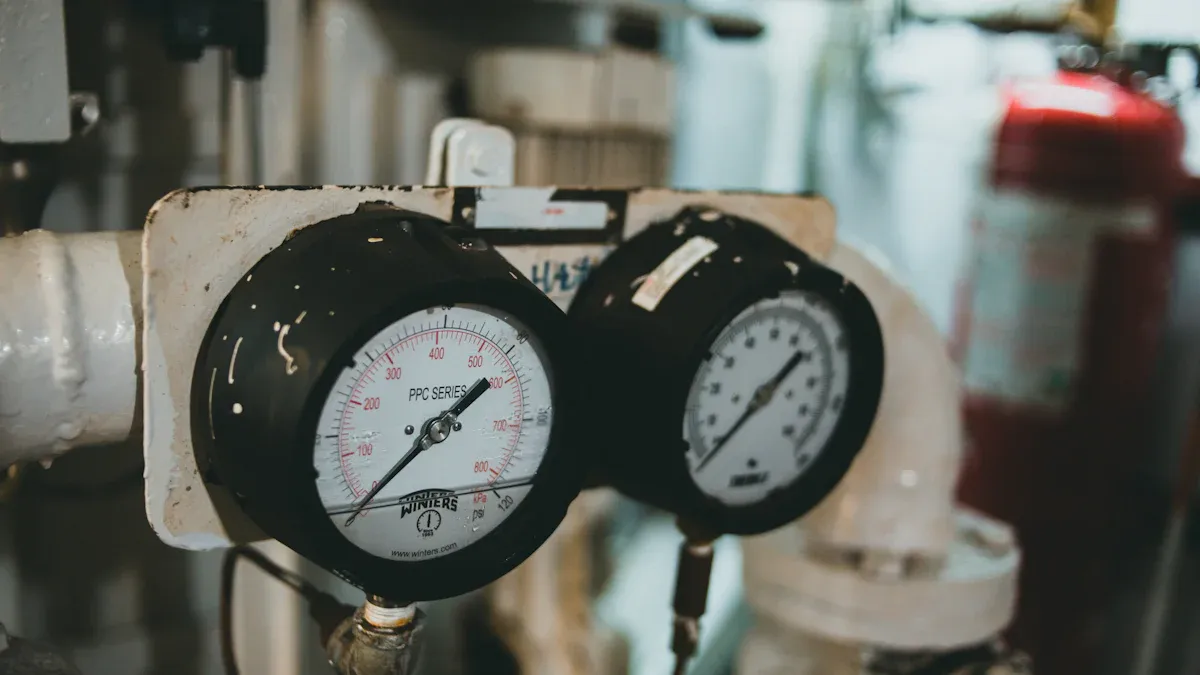
Image Source: pexels
The heating system gets the plastic sheet ready to shape. Machines use different heaters to warm the plastic evenly. Resistance heaters make heat by using electricity. Infrared heaters use light to heat the plastic fast and save energy. Hot air heaters blow warm air over big sheets. The right heater helps make strong and smooth parts.
| Heater Type | Description | Impact on Efficiency and Quality |
|---|---|---|
| Resistance Heaters | Use electric current for steady heat | Give even heating and better product quality |
| Infrared Heaters | Use light for fast heating | Save energy and respond quickly |
| Hot Air Heaters | Blow warm air over large areas | Good for big sheets and overall efficiency |
The pressure system shapes the hot plastic. It uses vacuum and air pressure to push plastic into the mold. Most machines use air pressure up to 50 psi. Some jobs need up to 200 psi for special parts. Billow drape forming uses 18-22 psi to stretch the plastic first. This system helps the plastic fit the mold tightly. It makes sharp edges and small details.
Air pressure is usually under 50 psi.
Some jobs need up to 200 psi.
Billow drape forming uses 18-22 psi.
Molds and tooling give the product its final shape. Makers pick mold materials based on cost and quality. Aluminum molds cost less and are good for making lots of parts. Stainless steel molds last longer and make the best parts. Advanced composites help make tricky shapes and let you change designs.
| Material | Cost Impact | Quality Impact |
|---|---|---|
| Aluminum | Less expensive | Good for fast, efficient production |
| Stainless Steel | Higher cost, lasts longer | Best for quality and durability |
| Advanced Composites | Varies, good for complex designs | High flexibility and detail |
Modern machines use smart controls to work better. Programmable logic controllers (PLCs) let workers set machine settings. Touchscreens make the machines easy to use. Sensors check temperature, pressure, and time as the machine runs. Some machines use AI to change settings and cut down on waste. These features help keep work steady and lower mistakes.
PLCs help set machine settings right.
Touchscreens make using machines easy.
Sensors watch temperature and pressure.
AI and smart tools help stop waste and delays.
Tip: Good automation and controls help companies make better products faster and with less waste.
Thermoforming machines need these main parts to make strong and detailed plastic pieces for many industries.
Manufacturers use different thermoplastics in pressure forming. Each type has special features for certain products.
High Impact Polystyrene (HIPS): This plastic costs less and does not break easily. It bends without snapping. People use it for food packaging, toys, and medical trays.
Acrylonitrile Styrene Butadiene (ABS): ABS is strong and tough. It does not get damaged by chemicals or impacts. It is used for car parts, bathtubs, and computer keys.
Polyvinyl Chloride (PVC): PVC can be soft or hard. It is found in pipes, medical tubes, and raincoats.
Acrylic: Acrylic is clear and bends easily. It does not crack and softens when heated. Makers use it for windshields, furniture, and aquariums.
These plastics get soft when heated and hard again when cooled. This lets them be shaped many times.
Picking the right plastic for pressure forming needs careful thought. How a plastic acts when heated is very important. Good plastics for forming do not melt all at once. They get soft slowly as they get warmer. This helps the machine shape the plastic well.
Note: Every plastic has a best temperature for forming. Heating above the glass transition temperature but below melting works best.
Other things to think about are:
The way the plastic’s molecules are arranged affects stretching and bending.
The glass transition temperature (Tg) shows when the plastic goes from hard to rubbery.
The forming process works best when the plastic is heated just right—above Tg but not too hot.
Flexibility and recyclability are important too. Many thermoplastics can be reused, which helps the planet. Their ability to stretch and go back to shape makes them useful for many products. Pressure forming uses these materials to make strong, detailed parts for lots of industries.
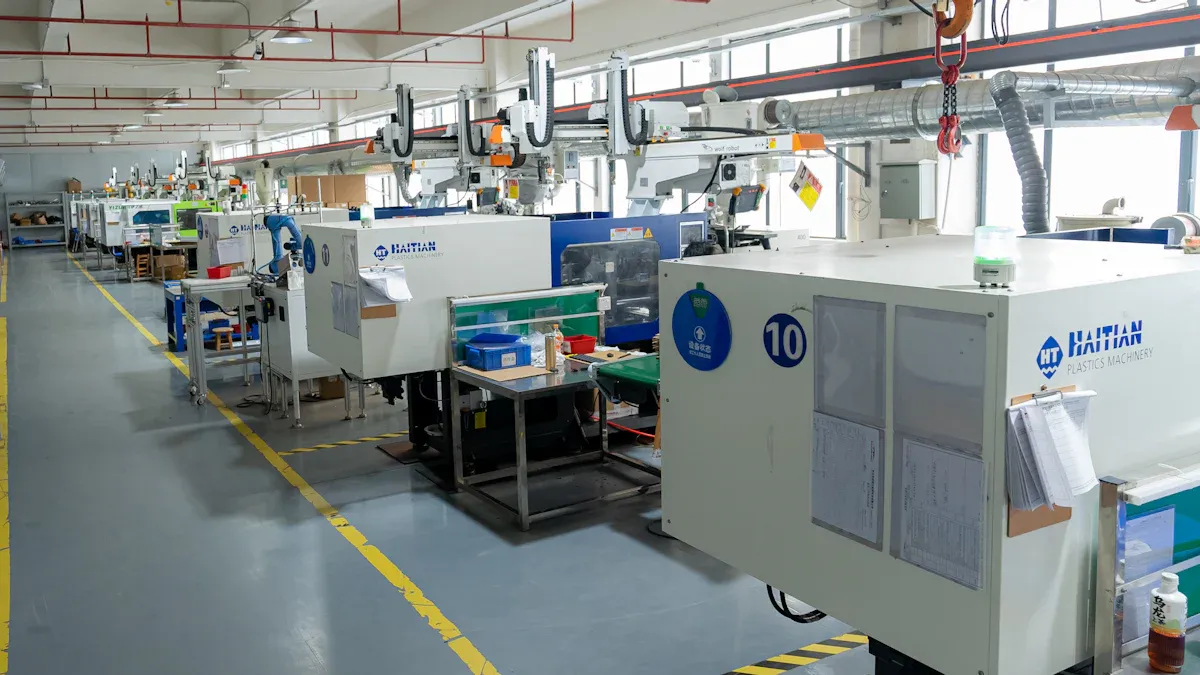
Image Source: unsplash
Pressure thermoforming machines help many industries. They make products with sharp details and tricky shapes. These machines work with many kinds of thermoplastics. This makes them great for custom plastic manufacturing. The next parts show how different industries use pressure forming plastic. They also point out important thermoforming uses.
Packaging is one of the biggest uses for pressure forming plastic. Companies use it to make clear clamshells, blister packs, and trays. Blister packs keep products safe and easy to see. Thermoforming and vacuum forming both help make packaging for food and electronics. They also help with retail goods. Custom plastic manufacturing lets brands design special trays and inserts.
Car makers use pressure forming plastic for body and dash panels. They also use it for inside car parts. This way is good for making test parts fast. It also costs less for tools than other ways. Pressure thermoforming machines make parts that fit well and look the same. Custom plastic manufacturing lets car makers add logos and cool designs. Vacuum forming helps make big, light car parts too.
Medical device makers use pressure forming plastic for trays and covers. They also use it for packaging single-use tools. These things must follow strict rules like ISO 11607 and FDA 21 CFR. Thermoforming in healthcare uses PETG and polypropylene. These materials are strong and safe. Custom plastic manufacturing makes sure each tray or cover fits just right.
Brands pick pressure forming plastic for food containers and cosmetic boxes. They also use it for store displays. Custom plastic manufacturing lets companies choose colors and textures. They can even pick eco-friendly materials. Thermoforming and vacuum forming help make strong, easy-to-use products. Pressure forming is used for packaging electronics, toys, and kitchen tools.
Note: The table below gives more examples of industries and products that need detailed and tricky shapes.
| Industry | Notable Products |
|---|---|
| Aerospace | Aircraft panels, interior components |
| Lawn & Garden | Planters, garden trays |
| Technology | Custom enclosures, display trays |
| HVAC | Ductwork, vents |
Pressure thermoforming machines are used for many pressure forming jobs. They are very important for custom plastic manufacturing in lots of industries.
Manufacturers need to pick machines that fit their needs. The table below lists things to think about:
| Factor | Description |
|---|---|
| Machine Dimensions | The biggest sheet and part size the machine can use. Bigger machines need more room and cost more. |
| Clamping Force | Pressure holds the material still so there are no mistakes. |
| Forming Area | The space the machine can shape at once. This affects how fast it works. |
| Depth of Draw | How deep the material can go into the mold. This matters for hard shapes. |
| Heating Method | Changes how much energy is used and how long each cycle takes. It also affects how smooth the part is. |
| Cooling Efficiency | Helps make parts quickly and keeps quality the same. |
| Material Compatibility | The machine must work with the plastics you pick. This changes how you control the temperature. |
| Automation Features | Makes work more exact and lowers labor costs. |
| Production Volume | Shows if the machine can make enough parts. |
| Maintenance | Easy fixes mean less time stopped and better production. |
Material compatibility is very important when picking a machine.
The forming process, like vacuum or pressure, must match the material.
The machine should work well with the plastics you choose. This helps make good parts.
Manufacturers give lots of features and ways to change machines. The table below shows what top brands offer:
| Manufacturer | Features | Customization Options |
|---|---|---|
| OMV Technologies | Can use many resins and layers, has barrier features | Special solutions for packaging |
| MAAC Machinery | Makes shuttle and rotary machines that are high quality | Custom machines for cars and other uses |
| Mesoforming | Machines have CE certificates and patents | Cleanroom models and machines for high heat |
Tip: MAAC makes machines for big jobs. WM Thermoforming gives flexible choices. Mayku Multiplier is good for small batches and testing.
Buyers should think about starting and ongoing costs.
| Cost Factor | Estimated Cost Range |
|---|---|
| Thermoplastic Sheets | $35–45 for each sheet |
| Thermoforming Mold | $2,000 to $10,000 or more |
| Labor and Operation Costs | Depends on how long each cycle is |
| Post-Processing Costs | Extra work and tools needed |
| Tooling for Low Volume Runs | Mold costs more for each part |
| Type of Thermoplastic | Changes the total price |
Labor means loading, heating, shaping, cooling, and unloading. Trimming and finishing add more costs. Checking quality and getting certificates can make costs go up.
Good supplier support keeps machines working well.
Good suppliers teach workers, give spare parts, and help with problems.
Reliable help means less downtime and better products.
Buyers should see if suppliers give fast help and clear guides.
Note: Looking at features, ways to change machines, and support helps you pick the best machine for your project.
Pressure thermoforming machines have many benefits over other ways to shape plastic. They make parts with lots of detail and very exact sizes. These parts are also strong and last a long time. The table below shows how pressure forming is different from vacuum forming:
| Feature | Vacuum Forming | Pressure Forming |
|---|---|---|
| Detail and Accuracy | Not as detailed or exact | Very detailed and very exact |
| Mechanical Properties | Normal strength | Stronger and tougher |
| Tolerances | Not as precise | Very precise |
Many businesses use thermoforming. Food companies use it to make hard containers. Hospitals and clinics use it for safe things like IV bags. Car makers use it for light dashboards and bumpers.
Heavy gauge forming helps make parts for planes and the military.
Fast thin gauge forming is good for medical packaging.
Machines can make thin parts under .060” thick and up to 5’x9′ in size.
Manufacturers should look at different machines. They should talk to suppliers to find the best choice for their needs.
Pressure thermoforming makes parts with more detail. It can shape plastic into harder and trickier shapes. The machine uses stronger air pressure. This helps the plastic press close to the mold. It is good for making parts with tiny features.
These machines are used a lot in food packaging. Car makers and medical device companies also use them often. They need plastic parts that are strong and have lots of detail. Pressure thermoforming is also used for making electronics packaging and things people buy.
Yes, many pressure thermoforming machines work with recycled plastics. Makers often pick recycled PET or HIPS for their products. Using recycled materials helps cut down on waste. It also makes production better for the environment.
Clean the heating parts often.
Look for leaks in air and vacuum lines.
Check molds to see if they are worn out.
Update the software controls when needed.
Taking care of the machine helps it work well. It also makes the machine last longer.


