
English
Views: 0 Author: Site Editor Publish Time: 2025-12-26 Origin: Site

Plastic cup thermoforming changes plastic sheets into strong, light items. Factories use this method to make plastic cups everywhere. Making plastic cups begins with good materials and modern machines. Hengfeng is a leader with energy-saving tools and exact machines. Disposable plastic cups, custom plastic cups, and other products from cup making all use automation and special designs. Customization lets brands make special designs for their buyers.
Thermoforming technology is used to make plastic cups. It makes cups that are strong and light from plastic sheets. Materials like polypropylene, polystyrene, and polylactic acid are often used. These materials are picked because they are strong and good for the environment. Hengfeng's machines help make cups by themselves. This saves energy and makes sure the cups are good quality with little waste. Quality control is very important. Factories use smart sensors to find problems early. This helps make cups that are safe and work well. Factories also care about the environment. They use materials that can be recycled or composted. This helps lower harm to nature.

Image Source: unsplash
Manufacturers pick plastic cup materials for strength, safety, and the environment. The most used plastics for plastic cup thermoforming are:
Polypropylene (PP)
Polystyrene (PS)
Polyethylene Terephthalate (PET)
Polylactic Acid (PLA)
Polypropylene is the top choice for plastic cups. It is tough and does not melt easily. This makes it good for hot drinks and microwaves. PET is very clear and does not break easily. It works well for cold drinks. PLA is special because it breaks down and comes from plants like corn and sugarcane. PLA cups turn into compost, which helps the planet.
Note: PLA cups can hold hot or cold drinks. They are a green choice for throwaway cups.
| Material | Key Properties | Suitability for Cup Production |
|---|---|---|
| PP | Bendable, strong, heat-safe, recyclable | Hot drinks, microwave use |
| PET | See-through, hard, recyclable | Cold drinks, clear look |
| PLA | Breaks down, compostable, plant-based | Green throwaway cups |
Plastic cup thermoforming starts with sheet extrusion. Factories use small plastic pellets like PP or PET. These pellets melt inside a machine called an extruder. The melted plastic goes through a die and becomes a flat sheet. Workers set the sheet thickness for the right cup size.
Workers put plastic pellets into the extruder.
The machine heats and melts the pellets.
Melted plastic moves through a die to make a sheet.
The sheet thickness is set for the cup size.
There are two main systems:
Inline system: Extrusion and thermoforming happen at the same time.
Offline system: Sheets are made first, then heated later for forming.
Hengfeng’s machines save energy and work automatically. The company has certifications like ISO9001, CE, UL, and ROHS. These show they care about safety and quality. Hengfeng keeps making better technology for plastic cup thermoforming.
Good materials are important for safe and strong plastic cups. Labs test polypropylene cups by pouring boiling water inside. They check for bad chemicals. This makes sure cups are safe for hot drinks. Using good materials helps factories make safe and tough cups.
Plastic cup thermoforming machines change flat plastic sheets into cups. The machines use heat and pressure to shape each cup. Special moulds help make the right shape. Hengfeng’s machines use smart controls to work fast and well. Automation helps the process run smoothly.
First, the machine heats the plastic sheet. The sheet moves into a hot area. It gets warm enough to be shaped. The temperature depends on the plastic type. Polypropylene (PP) heats between 140°C and 160°C. Polystyrene (PS) heats between 120°C and 140°C.
| Type of Plastic | Temperature Range (°C) |
|---|---|
| Polypropylene (PP) | 140 - 160 |
| Polystyrene (PS) | 120 - 140 |
When the sheet is hot, it goes to the forming station. The machine shapes the sheet into cups. Hengfeng’s machines use servo motors for exact moves. These machines can make up to 50 cups each minute. This speed helps factories fill big orders fast.
The forming step makes sure cups are strong and even. The machine keeps the sheet thickness right. Each cup has the same design and strength. Workers check the cups for safety and quality.
Thermoforming moulds are important in making cups. Hengfeng makes moulds that are very exact. Moulds have many spaces to make more cups at once. Good moulds help every cup look the same.
| Advantage | Description |
|---|---|
| Product Consistency | Advanced technology and process controls ensure consistent quality across production runs. |
| Production Speed | Quick turnaround times enable manufacturers to meet demanding production schedules effectively. |
Hengfeng’s moulds use strong materials and smart design. This helps save energy and cut down waste. Moulds can be changed easily for new cup shapes. Factories can switch moulds fast. Brands can make special cups for their customers.
Machines use vacuum and pressure forming to shape cups. Vacuum forming pulls the hot sheet to the mould with suction. Pressure forming uses air to make sharp details.
| Technique | Clarity and Finish Characteristics |
|---|---|
| Pressure Forming | Produces sharp detail, crisp edges, and excellent surface finish. |
| Vacuum Forming | Results in less intricate details and a more basic finish. |
Pressure forming makes cups with clear edges and smooth sides. These cups look nice and feel strong.
Vacuum forming is good for simple cups and making lots of them.
Hengfeng’s machines use both ways to form cups. Smart sensors help the machines work better. These features lower repair costs by up to 25%. The machines run almost all the time, with 99.7% uptime. Automation means less manual work and saves money.
Hengfeng’s plastic cup machines help factories make cups fast and well. The machines let brands create special cup designs. Automation, smart moulds, and exact forming make Hengfeng a top company for plastic cups.
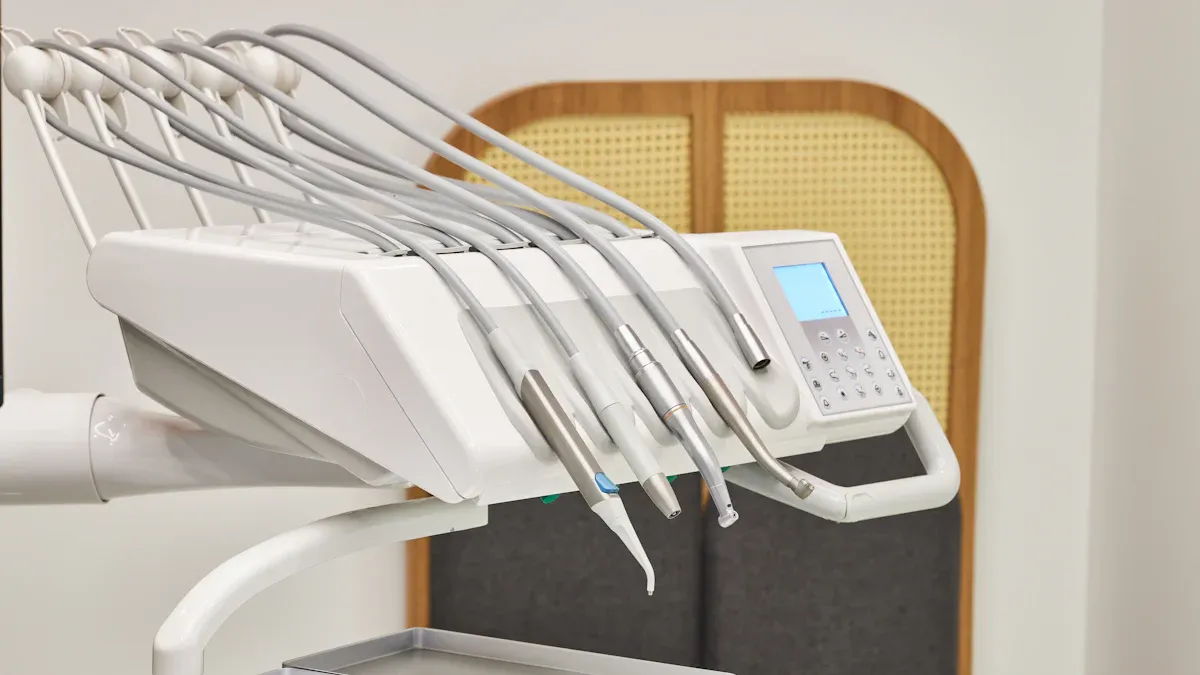
Image Source: unsplash
Hengfeng’s machines cut and trim cups right after they are made. This step shapes the rim and takes away extra plastic. Special tools help make the edges sharp and neat.
In the EDM process, a charged electrode touches metal with the opposite charge. This makes sparks and removes tiny bits from both parts. Sharp edges can be made on the electrode with normal cutting tools. These edges are then burned into steel. This way, the edges on molded parts are very clean and exact. It helps make sharp outside edges that are hard to do with regular machines.
This technology helps all cups look alike and feel smooth. Clean edges also make cups safer for people to use.
After trimming, machines stack and count cups by themselves. This keeps things quick and stops mistakes. Automation means workers do not touch the cups. This keeps the cups clean and safe for food.
| Evidence Type | Description |
|---|---|
| Industrial Automation | BMG’s systems help work faster and need less manual labor. |
| Horizontal Plastic Cup Counter | This system counts cups right and stops waste and errors. |
| Palletizer | It stacks cups and helps workers make fewer mistakes. |
Automated stacking and counting save time and money. The machines count every cup, so factories know the numbers are right.
The last step is packaging the cups. Hengfeng’s machines can link to other systems that wrap, box, or bag the cups for shipping. This keeps everything running smoothly. Different cups need different ways to be packed.
| Type of Cup | Description | Common Lid Types |
|---|---|---|
| PET Cups | Very clear and recyclable, good for fancy drinks. | Flat, Dome, Strawless |
| Compostable PLA Cups | Made from plants, good for the planet, but not for hot drinks. | Flat, Dome, Strawless |
Automated packaging keeps cups safe from dirt and germs. It also helps factories send out big orders fast. Hengfeng’s machines work with many packaging systems, so they are great for busy factories.
Factories check plastic cups carefully during thermoforming. Hengfeng uses smart sensors and controls in their machines. These sensors find problems early. This helps keep every cup safe and strong. Workers look for problems like tiny holes, bent shapes, bad surfaces, and wrong sizes. The table below shows how factories stop these problems:
| Defect Type | Causes | Preventative Measures |
|---|---|---|
| Pinholing | Dirty materials, worn nozzles | Clean materials, check nozzles often |
| Deformation | Uneven heat, bad mold design | Better heating, improved mold design |
| Surface Defects | Damaged molds, dirty plastic, overheating | Keep molds clean, use pure plastic, control heat |
| Dimensional Instability | Mold wear, unstable temperature | Replace molds, keep heat steady |
Hengfeng has important certificates like ISO9001, CE, UL, and ROHS. These show their machines are safe and high quality.
New plastic cup thermoforming machines use less energy than old ones. Hengfeng’s machines have better heating, smart controls, and good insulation. These things help save energy and lower costs. The table below explains how these machines work:
| Feature | Description |
|---|---|
| Advanced Heating Systems | Use less energy and keep heat even |
| Automation | Reduce wasted time and save power |
| Insulation | Keep heat inside and cut energy loss |
Factories that use these machines help the planet by making less pollution. They also save money by using less electricity.
Making plastic cups can hurt the environment. Making plastic from oil uses a lot of energy and makes pollution. Trucks and ships that move plastic also make greenhouse gases.
Many factories now use plastic cups that can be recycled or composted. Polypropylene and PET can be recycled into new things. Some companies use PLA, which is made from plants. PLA cups can break down in special compost centers in about 180 days. In nature, PLA takes much longer to break down.
PLA cannot mix with other plastics in recycling centers because it melts at a lower temperature.
Most compost centers do not take bioplastics like PLA. Many see them as a problem.
Using more recyclable and eco-friendly materials helps protect the earth.
Plastic cup thermoforming is getting better with new machines and greener materials. These changes help the environment and make factories safer for everyone.
Plastic cup thermoforming uses special machines. These machines change raw materials into cups fast. Factories make cups with less waste. Hengfeng’s machines work by themselves. This helps factories save energy and money. The machines also keep the cups good quality.
Machines work fast and need fewer workers.
Factories reuse leftover plastic and use less power.
Hengfeng’s machines let factories change what they make easily.
Today, factories want to use machines more. They want to work faster and help the planet. Hengfeng helps factories reach these goals.
Polypropylene, polystyrene, PET, and PLA are good choices. Each plastic has its own special traits. Polypropylene can handle heat. PET is very clear. PLA comes from plants and breaks down. Factories choose the plastic for how the cup will be used.
Hengfeng’s machines use smart heating and good insulation. These things help lower how much energy is used. Automation also helps stop wasted power. Factories save money and help the planet.
Yes, factories can reuse leftover plastic. They collect the extra plastic and use it again. This helps cut down on waste. It also saves money and helps the earth.
Factories use machines that work by themselves. Workers do not touch the cups. Machines stack and pack cups in clean places. This keeps cups safe for food and drinks.
| Machine Type | Cups Per Minute |
|---|---|
| Tilting Cup Making Machine | Up to 120 |
| Multistation Thermoforming | Up to 50 |
These machines help factories fill big orders fast.


